VNeID adds signing: national identity tied to signatures in the digital office
 Lê Thị Hồng Vân · Digital administration specialist··1 min read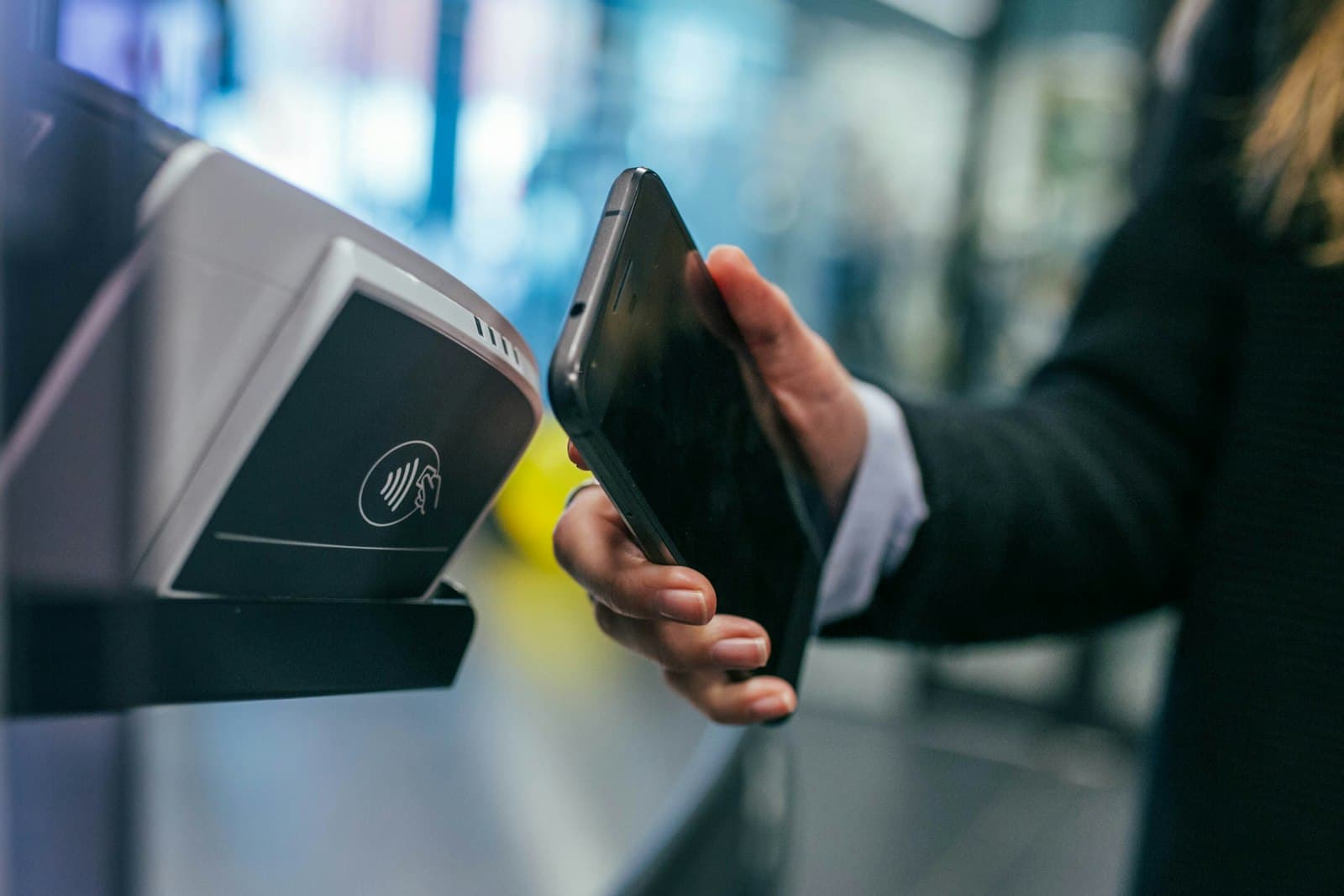
Photo: Jonas Leupe / Unsplash
Previously, to digitally sign a document, an officer usually needed a USB token and yet another password. From May 2025, the VNeID app added digital-signature certificate registration and signing history — national identity now tied to signing, right on the phone.
What VNeID signing means
- Citizens and officers can register a signature certificate tied to their e-identity account.
- Sign and review signing history in the app, without separate hardware.
- The identity is verified at a high level, so the signature is bound to the right person.
What it means for the digital office
- Signing becomes more accessible: fewer hardware barriers, more people can sign.
- It standardizes authentication and signing in the electronic document flow.
- Combined with internal dedicated signatures and public CAs, organizations have options per document type — see signing under Decree 23/2025.
Tetra eOffice
Tetra eOffice integrates signing into routing and approval, on your infrastructure. To standardize signing for your unit, book a consultation.
Related articles

Document management software: must-have features and how to choose
How document management software differs from a shared drive and from an official-correspondence system, the five kinds of solutions on the market, a must-have feature list and the questions to ask vendors before signing.
Read ↗
Electronic case file management: rules and required features
Electronic case files under Decree 30/2020, the 2024 Archives Law and Circular 05/2025: who must keep them, the 60-day transfer deadline for digital files, required software features and the July 2027 milestone.
Read ↗
Free warranty and repair management software: does it exist?
Three different kinds of free, a common mix-up between maintenance and repair software, the options with no licence fee, and the costs the word free does not cover.
Read ↗See Tetra eOffice handle real documents
A demo on a sample system: registration, routing, deadline tracking and digital signing.