AI Law 134/2025: a legal frame for enterprise AI in Vietnam
 Phạm Hải Anh · AI engineer··1 min read
Photo: Gabriele Malaspina / Unsplash
In 2025 Vietnam produced two texts touching AI: the Digital Technology Industry Law (71/2025) and now a dedicated act. On 10 December 2025, the National Assembly passed the AI Law (134/2025/QH15, effective 1 March 2026) — the first comprehensive AI law in Vietnam, with 8 chapters and 35 articles.

What the law sets out
- It classifies AI system risk into three tiers: high, medium and low — higher risk means stricter control.
- Transparency: AI systems that interact directly with people must be designed so users know they are dealing with a machine.
- AI-generated content must carry an identifying mark, to avoid misleading viewers.
- It bans using fakery or simulation of real people or events to deceive or manipulate perception and behavior.
What it means for enterprise AI
Together with the Digital Technology Industry Law (see Law 71/2025 on AI risk management), both point one way: enterprise AI must be transparent, governable and controlled by risk level. AI handling sensitive data deserves the most attention.
Why local AI is a compliance advantage
When AI runs on your infrastructure, data is not sent to outside services, and you control the whole processing lifecycle — easier to be transparent and traceable, in the spirit of the law. That is how Molly Reader works: reading and extracting document data with local AI.
In practice
The law is a frame; technical detail will emerge through guidance. But if you are bringing AI into operations, now is the time to design for transparency and control. For local document AI advice, book a consultation.
Related articles
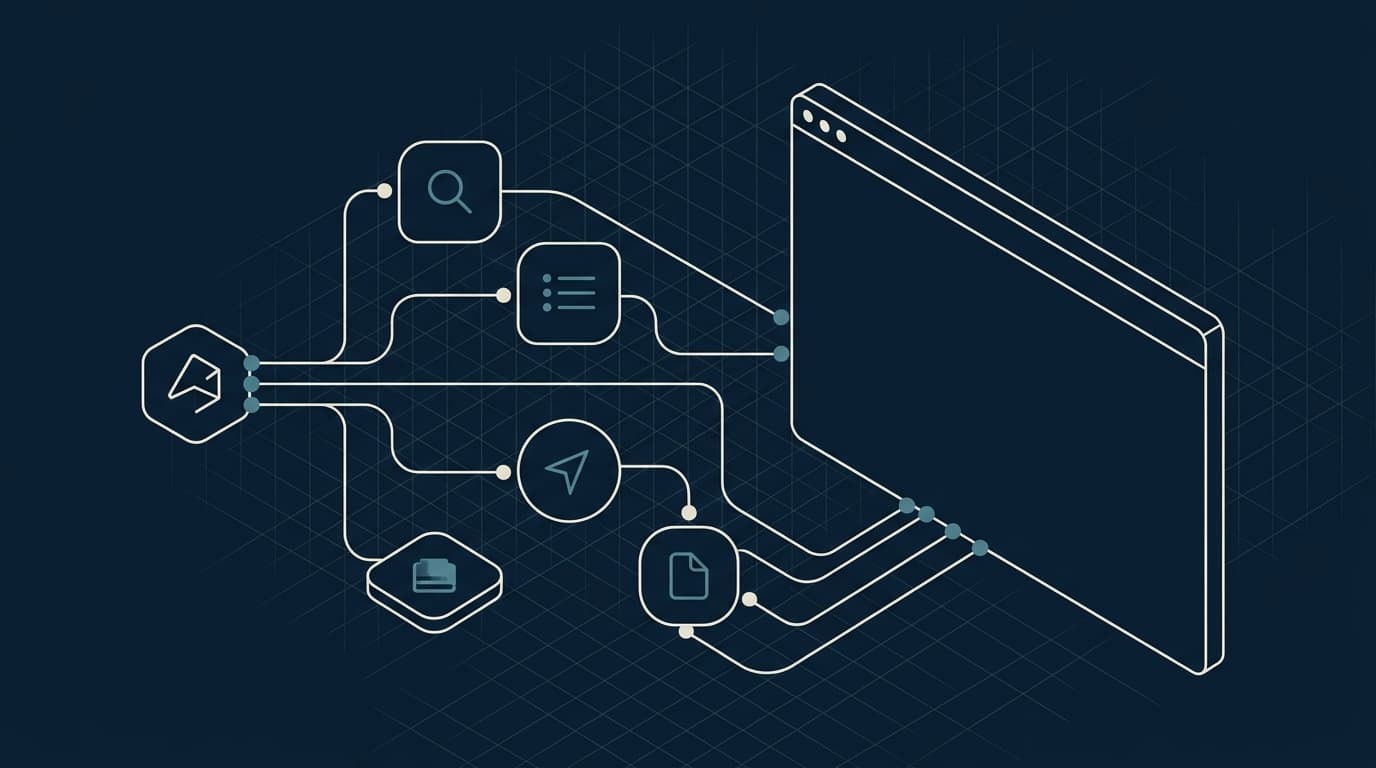
WebMCP: letting AI assistants call tools directly on tetra.vn
WebMCP is a new web standard that lets a site declare its functions for AI assistants to call directly. tetra.vn now supports it, among the first in Vietnam.
Read ↗
Google’s Open Knowledge Format (OKF): packaging knowledge for AI agents — what we learned deploying it
Google just published OKF — an open standard that turns organizational knowledge into a Markdown directory agents read directly. We took the samples apart and pulled out deployment lessons for several domains.
Read ↗
Angler: an open-source search, crawl & research gateway you self-host
Angler is a free, MIT open-source search + crawl + research gateway you self-host: web access for AI agents (Claude Code, Cursor…) over MCP or the Firecrawl SDK, turning the web into clean, bias-resistant markdown for research and AI agents.
Read ↗Try AI on one concrete problem for 30 days
The AI Pilot measures real impact before a large investment, with a stop point after week one.