VNeID becomes a super-app: standardizing authentication & signing
 Lê Thị Hồng Vân · Digital administration specialist··6 min read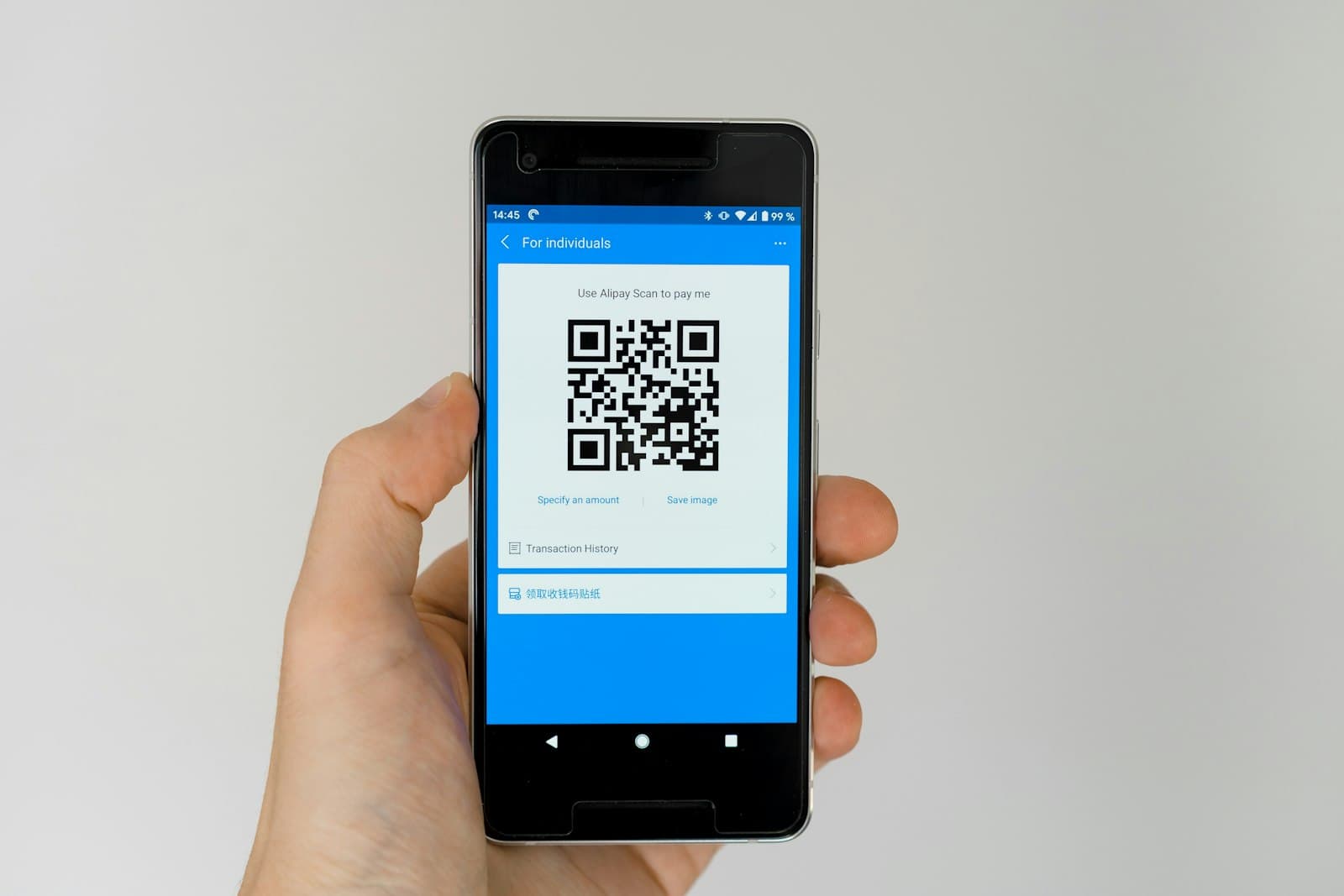
Photo: Markus Winkler / Unsplash
Something is quietly becoming the shared key for every digital transaction in Vietnam: electronic identity. By mid-2026, VNeID is no longer just a place to check residence details or health records — it is heading toward a "super-app" with tens of millions of identity accounts already issued and a development roadmap running through 2030. When a single app reaches nearly every adult, the way we prove "who I am" and "I agree to this" in the digital world shifts with it. This piece looks at one concrete question: what does pervasive national identity and signing mean for an organization's digital office.
VNeID on its way to a super-app
The "super-app" idea is not new, but what makes VNeID distinctive is that the platform is tied directly to an identity the state has already verified. Users do not self-declare and self-confirm the way they would on a social account; the identity is matched against population data and verified at a high level before the account is active. On that base, the app gradually pulls in many kinds of transactions: integrated identity papers, public services, and more recently the ability to register a signature certificate right inside the app.
For an organization, the point of interest is not the feature list of a citizen-facing app, but the indirect consequence. Once tens of millions of people are used to opening their phone, authenticating with a face scan or a code, and completing a legally meaningful transaction, the psychological and technical barriers around "electronic authentication" largely disappear. An internal process that asks staff to verify identity or approve documents by electronic means is no longer a foreign concept requiring retraining from scratch. The national identity platform acts as a common standard, and other systems can reference it rather than each inventing its own way to authenticate.
Identity verification is not the same as digital signing
This is the easiest thing to confuse, and confusing it leads to a flawed design. Identity verification answers the question "is the person acting really this person." Digital signing answers a different one: "this person agreed to exactly this content, at this moment, and the content was not altered afterward." The two are related but not interchangeable. A system can verify identity very tightly yet still bind no signature to any document; conversely, a digital signature only carries weight when the identity behind it has been verified reliably enough.
VNeID touches both layers, but in different roles. At the verification layer, high-level electronic identity lets you assert the subject with confidence. At the signing layer, VNeID's addition of certificate registration and in-app signing mainly serves individual citizens — signing one's own papers, personal transactions, administrative procedures. That is the signature of a specific human being, bound to a personal identity.
An organization's documents are a different matter. A decision or an official letter sent out does not only need the signature of the authorized person; it also needs the digital signature of the organization itself — the part equivalent to the seal. This organizational signature is tied to a certificate issued to a legal entity, not to an individual, and is usually managed on dedicated signing hardware or services. That is why personal identity on VNeID, however strong for a citizen, does not automatically become the way to sign every document of an organization. Who signs as an individual and who signs on behalf of the legal entity — that boundary has to be clear from the design stage.
What standardized national authentication and signing means for the digital office
With national identity and signing now pervasive (see also VNeID adds signing), the biggest value for the digital office is a common baseline to rely on. Previously each system defined its own way for users to prove identity, managed its own passwords, and issued its own signing means. The result was a patchwork that was hard to interconnect and hard to trace. A widely accepted national identity platform lets systems speak the same language about "who is who."
For the document flow inside an agency, this standardization hits exactly the three questions that records and legal staff always have to answer: who signed, when, and is the signature bound to the right person. Strong identity verification helps ensure the signature is bound to the right subject. A trusted timestamp fixes the moment. A complete log lets the whole approval trail be reconstructed years later. This is the piece that makes the electronic document flow whole, rather than a loose sequence of steps that no one can vouch for when verification is needed.
One limit is worth stating plainly: pervasive does not mean every document should be signed with a single kind of signature. State administrative documents, dedicated public-duty signatures, public digital signatures for civil transactions, and the legal entity's signature on issued letters are distinct layers serving distinct purposes. The organization that gets it right maps each document type to the appropriate signature, rather than collapsing everything into one convenient method. The layers of signatures and their legal value are discussed in detail in the piece on signing under Decree 23/2025.
How a business digital office keeps pace
For an organization, the practical question is not "should we use VNeID to sign everything," but "how do we make the right use of the national identity and signing baseline in the right roles." There are two clear directions.
On sign-in authentication, a digital office should rely on single sign-on (SSO) and a central identity provider, rather than each application keeping its own account store. This keeps user identity consistent, easy to revoke when someone leaves, and easy to audit. The national identity platform reinforces the trend: once users are used to high-level electronic authentication outside, asking for strong authentication inside the organization feels natural.
On digital signing, business and agency documents need signing means suited to the organizational level. Tetra eOffice integrates signing and authentication directly into routing, approval and issuance, running on the unit's own infrastructure. For signing providers, eOffice integrates licensed signing services: VNPT SmartCA, Viettel MySign, and signing via MobiFone's HSM. These are signing means tied to valid certificates, used for the authorized person's signature and the organizational signature in the document flow. National identity and signing are the backdrop and the general direction of the market; the actual signing means in an organization's digital office still rest on licensed trust-service providers, matching the legal-entity nature of the documents.
What matters is that these two directions fit into one seamless flow: users authenticate clearly on entry, routing and approval steps are fully logged, the signing step calls the right valid signing means, and the electronic original is stored on the unit's own infrastructure. No step has to be printed, signed by hand, and scanned back in just "to be safe."
The takeaway
VNeID becoming a super-app signals that electronic identity and signing have entered daily life, no longer reserved for a small group. For the digital office, the value lies in the common baseline: a trustworthy way to authenticate to rely on, and an already-pervasive habit of electronic signing that no longer has to be argued from scratch.
But pervasiveness does not erase the difference between verifying and signing, or between a personal signature and a legal entity's signature. A digital office that gets it right distinguishes those layers, uses SSO for authentication, uses licensed signing providers for the organization's documents, and keeps the full trail on infrastructure it controls. To review how to standardize authentication and signing for your unit, book a consultation with the Tetra team.
Related articles

Document management software: must-have features and how to choose
How document management software differs from a shared drive and from an official-correspondence system, the five kinds of solutions on the market, a must-have feature list and the questions to ask vendors before signing.
Read ↗
Electronic case file management: rules and required features
Electronic case files under Decree 30/2020, the 2024 Archives Law and Circular 05/2025: who must keep them, the 60-day transfer deadline for digital files, required software features and the July 2027 milestone.
Read ↗
Free warranty and repair management software: does it exist?
Three different kinds of free, a common mix-up between maintenance and repair software, the options with no licence fee, and the costs the word free does not cover.
Read ↗See Tetra eOffice handle real documents
A demo on a sample system: registration, routing, deadline tracking and digital signing.