Hansoll hit by ransomware: how manufacturing and FDI firms defend
 Trần Quốc Bảo · Cybersecurity engineer··1 min read
Photo: Homa Appliances / Unsplash
When people say cybersecurity, many think of banks or tech. But the ransomware group targeting Hansoll Textile in mid-2026 — threatening to publish sensitive data — is a reminder: manufacturing and FDI firms are targets too, sometimes more vulnerable.
Why manufacturing and FDI are targeted
- Operational disruption (production, supply chain) is costly, making victims easier to pressure into paying.
- Customer, partner and design data is valuable — exactly what leakware seeks.
- IT infrastructure is sometimes under-invested in security relative to scale.
Practical defense
- Protect the app and API layer; patch promptly (see cyber defense).
- Manage identity and devices; least privilege to limit spread.
- Isolated backups and encryption of sensitive data — but note: against leakware, backups don't prevent leaks, so reducing exposure is key.
- Keep an incident response process and rehearse it.
Tetra
Orca WAAP protects web and APIs; Manta Security manages devices and access. To assess defense for a factory/FDI operation, book a consultation.
Related articles

What Dokploy is: a self-hosted deployment platform for small teams
Dokploy gives you a Heroku-style deployment workflow on your own server. What it does, what sits inside it, who it suits, and the three things newcomers trip over in production.
Read ↗
Securing Dokploy: adding a WAF and IPS on the server itself
A default Dokploy install runs fine but is not safe: Traefik is not a WAF, Docker bypasses UFW, DNS-only domains leak the origin IP. Three gaps and how to close them on your own host.
Read ↗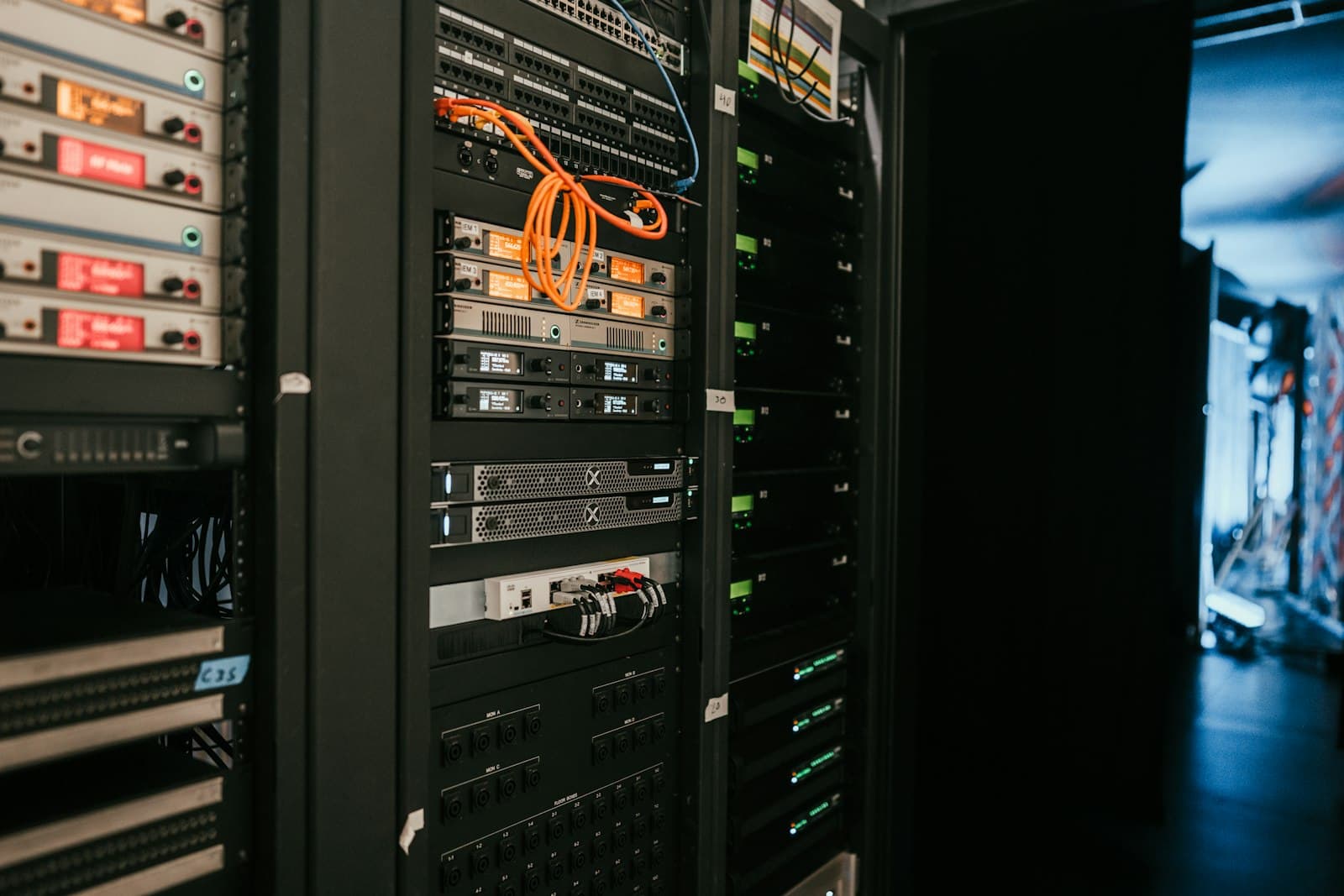
Vietnam's 2025 Cybersecurity Law: 5-level system classification and what to do
From 1 July 2026, Cybersecurity Law 116/2025 merges two prior laws, codifies "data security" and classifies systems into 5 levels. The new obligations and what to do.
Read ↗Run your organization's defenses yourself
Orca WAAP: a self-hosted web app and API firewall with DDoS and bot protection.